Administrative demands continue to rise as courts continue to deal with juror communication, scheduling, reporting instructions and compliance processes. The old manual methods tend to result in delays, extra paperwork and undue pressure on court staff who coordinate jury operations.
A modern Jury reporting system combined with an efficient Jury duty management system can help courts to streamline operations, enhance communication and provide a more organized experience for both administrators and jurors. JuryQ is a technology company focused on providing solutions that simplify jury coordination and increase operational efficiency for courts and legal institutions.
The Challenges of Traditional Jury Administration
Manual management of jury duty can be time consuming and difficult, especially for courts with large pools of jurors. Often, administrative teams spend a lot of time answering repetitive questions, updating schedules, processing attendance records and distributing reporting instructions.
Some common problems are
- High administrative load
- Delays in juror communication
- Inefficient scheduling
- Manual data handling
- More opportunities for confusion reporting
- Difficulties in tracking juror participation
Courts continue to modernize operations and digital solutions are increasingly important to improve workflow consistency and reduce administrative pressure.
How a Digital Jury Reporting System Helps
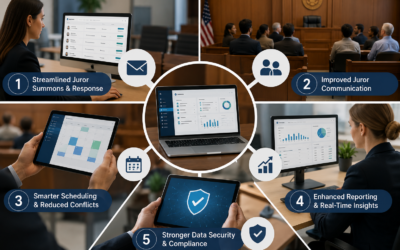
Improved Jury reporting system enables courts to centralize communications to jurors and automate certain routine administrative functions. Courts can offer digital reporting directions, automatic updates and organized scheduling tools all in one place instead of relying on heavy manual coordination.
JuryQ helps courts streamline reporting by improving access to critical jury information and helping facilitate more efficient day to day operations.
Digital reporting systems could assist courts
- minimize paperwork
- Better communication with jurors
- Reduce scheduling conflicts
- Help with attendance tracking
- Improve the accuracy of reporting
- Enhanced overall workflow management
Why Courts Are Adopting Jury Duty Management Platforms
A reliable Jury duty management system More than organizing schedules. Today’s platforms are built on centralized digital infrastructure to support communication, reporting, compliance tracking and juror coordination.
Courts that have adopted technology driven systems often see greater operational consistency and a better experience for jurors going through the jury duty process.
Improving the Juror Experience
Jurors also benefit from digital accessibility. Automated notifications, online reporting instructions and central access to information can help to reduce confusion and increase participation.
Courts may be able to enhance engagement by providing a more organized reporting experience and reduce the volume of support inquiries regarding reporting schedules or procedural instructions.
JuryQ supports courts looking for modern technology solutions to improve administrative operations and public access.
Frequently Asked Questions
What is a jury reporting system?
A jury reporting system is an online platform that helps courts improve communication with jurors, reporting instructions, attendance and scheduling.
How does a jury duty management system reduce administrative workload?
Many manual tasks, such as sending notices, scheduling updates and coordinating reports, are automated by digital systems, which enables court staff to manage operations more efficiently.
Can jurors access reporting information online?
Yes. Many modern jury management platforms also offer online access to reporting instructions, schedules and important court updates for added convenience.
Modernize Jury Operations with JuryQ
As courts continue to adapt to the pressures of modern operations, digital infrastructure is proving essential to effective jury administration.
JuryQ provides advanced Jury reporting system solutions and scalable Jury duty management system technology to help courts streamline their workflow, improve communication and support more efficient jury operations.